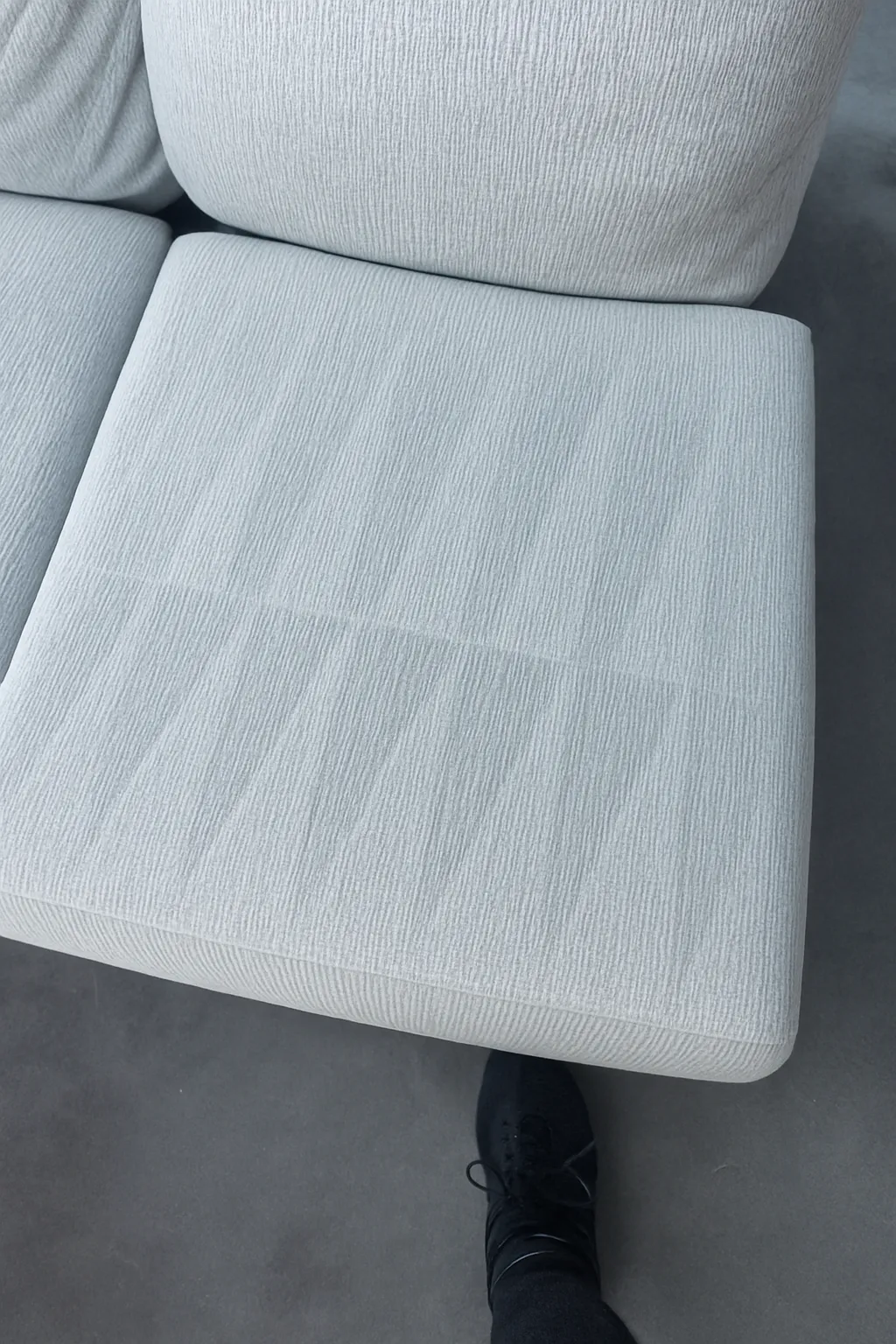
Furniture Stain Removal

Furniture Stain Removal in Phoenix: A Complete Guide for Homeowners
Furniture stains are one of the most common — and frustrating — problems Phoenix homeowners face. Between desert dust, red clay soil, pets, kids, food spills, sunscreen, and everyday wear, upholstered furniture in Arizona takes a beating.
Understanding how furniture stains happen, why some stains are harder to remove than others, and when professional furniture cleaning is necessary is essential for protecting your investment and extending the life of your furniture.
This guide covers everything you need to know about furniture stain removal in Phoenix, including stain types, fabric considerations, DIY mistakes to avoid, and how professional furniture cleaning works in Arizona’s unique climate.
Why Furniture Stains Are Common in Phoenix Homes
Phoenix’s environment plays a major role in how furniture gets stained and how stains behave over time.
Common Phoenix-Specific Factors
Fine desert dust that embeds deep into fabric fibers
Red and brown clay soil tracked in from outdoors
High heat, which can set stains faster
Low humidity, causing some spills to dry before proper treatment
Pets and children, common in family homes
Outdoor-to-indoor living, increasing exposure to oils, sweat, and debris
Because of these factors, furniture stain removal in Phoenix often requires more than surface-level cleaning.
Types of Furniture Stains (And Why They Matter)
Not all stains are the same. Identifying the type of stain is critical to removing it safely without damaging your furniture.
Water-Based Stains
Examples include:
Coffee
Tea
Soda
Juice
Wine
Mud
These stains often spread quickly through upholstery fibers and can leave visible rings if improperly treated.
Oil-Based Stains
Examples include:
Food grease
Body oils
Sunscreen
Lotion
Hair products
Oil-based stains are extremely common in Phoenix due to heat and skin contact. They bond tightly to fabric and attract dirt over time.
Protein-Based Stains
Examples include:
Pet urine
Blood
Sweat
Vomit
Food proteins
These stains require specific cleaning solutions. Heat or incorrect chemicals can permanently set them.
Dye & Pigment Stains
Examples include:
Ink
Makeup
Paint
Food coloring
Dye stains are among the hardest furniture stains to remove and often require professional treatment.
Upholstery Fabric Types and Stain Removal Considerations
Furniture stain removal depends heavily on fabric type. Using the wrong method can cause shrinkage, fading, or fiber damage.
Common Upholstery Materials
Polyester
Microfiber
Cotton blends
Linen
Wool
Velvet
Leather & faux leather
Each fabric reacts differently to moisture, heat, and cleaning agents. This is why professional furniture cleaning services always identify fabric type before treatment.
Common DIY Furniture Stain Removal Mistakes
Many permanent furniture stains start as small spills that were cleaned incorrectly.
Mistakes to Avoid
Scrubbing aggressively (pushes stains deeper)
Using household cleaners not designed for upholstery
Over-wetting fabric, leading to mold or water rings
Mixing chemicals (can bleach or discolor fabric)
Using heat (hair dryers, steam) on unknown stains
In Phoenix’s dry climate, stains can appear “gone” but resurface later due to residue left behind.
Why Some Furniture Stains Keep Coming Back
If you’ve ever cleaned a stain only to see it reappear days later, it’s usually due to wicking.
What Is Wicking?
Wicking happens when moisture pulls deep-set stains back to the surface as the fabric dries. This is extremely common with:
Pet stains
Beverage spills
Ground-in dirt
Professional furniture stain removal addresses both surface fibers and deep padding, preventing reoccurrence.
Professional Furniture Stain Removal: How It Works
Professional furniture cleaning companies use a systematic approach that goes far beyond DIY methods.
Step-by-Step Process
Fabric inspection and testing
Stain identification
Pre-treatment using targeted solutions
Controlled agitation
Deep extraction
Neutralizing and grooming
This process removes both visible stains and the unseen residue beneath the surface.
Furniture Stain Removal for Pets in Phoenix
Pet stains are one of the most common reasons homeowners seek professional furniture cleaning.
Common Pet-Related Issues
Urine odors trapped in cushions
Re-marking due to lingering scent
Bacteria buildup
Discoloration
Pet urine is especially challenging in Phoenix because heat intensifies odors. Proper furniture stain removal requires enzyme-based treatments and deep extraction.
Leather Furniture Stain Removal
Leather furniture requires specialized care.
Common Leather Stains
Body oils
Ink
Food spills
Dye transfer from clothing
Improper cleaning can dry out leather or strip protective coatings. Professional leather cleaning restores appearance while preserving flexibility.
How Often Should Furniture Be Professionally Cleaned in Phoenix?
For most Phoenix homes:
Every 12–18 months for general use
Every 6–12 months for homes with pets or children
Immediately for severe stains or odors
Routine cleaning prevents stains from becoming permanent and extends furniture lifespan.
The Role of Furniture Cleaning in Indoor Air Quality
Upholstered furniture traps:
Dust
Allergens
Bacteria
Pet dander
In Phoenix, where homes stay sealed for air conditioning much of the year, professional furniture cleaning can improve indoor air quality.
Choosing a Furniture Stain Removal Company in Phoenix
When researching furniture stain removal services, look for companies that:
Specialize in upholstery (not just carpet)
Understand fabric-specific cleaning
Use safe, residue-free solutions
Have experience with Phoenix homes and conditions
Avoid companies that promise “100% stain removal” — professional cleaners focus on best possible results without damage.
Final Thoughts: Furniture Stain Removal Is About Protection, Not Just Appearance
Furniture stain removal in Phoenix isn’t just cosmetic. It’s about:
Protecting fabric fibers
Preventing permanent damage
Maintaining a healthy home environment
Extending the life of your furniture
Whether you’re dealing with a fresh spill or years of buildup, understanding how stains work is the first step toward proper furniture care.

