
Dustrixi Upholstery Care
Premium Upholstery Cleaning in Phoenix — Dustrixi
Dustrixi specializes in restoring the beauty, softness, and freshness of your upholstery. From velvet and linen to suede, microfiber, and premium fabrics — we clean with precision, care, and safe premium methods

12000+
Upholstery Fabrics Cleaned
Trusted in Arizona
Chandler • Gilbert • Mesa

5-Star Rated
Arizona Families Trust the Difference
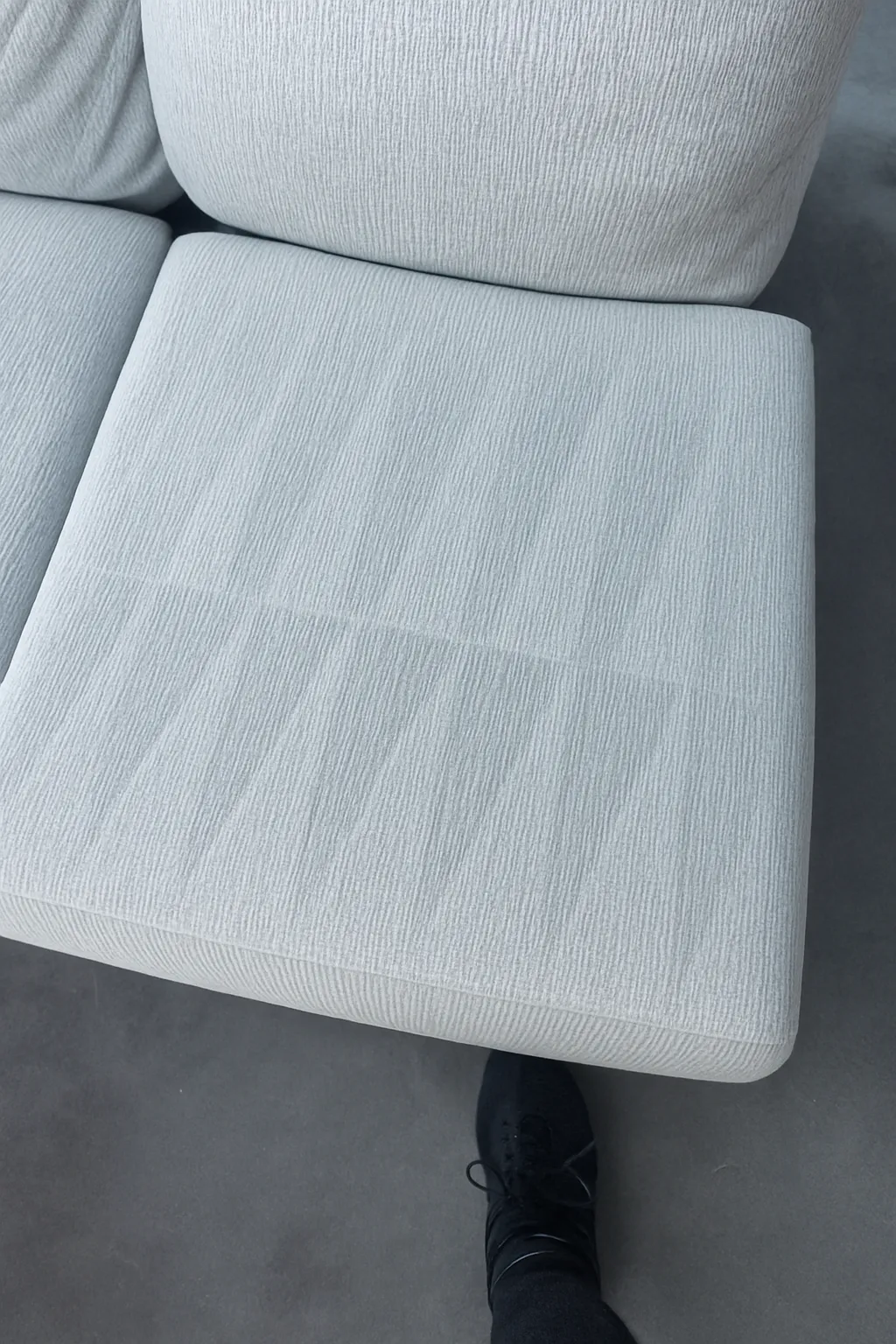
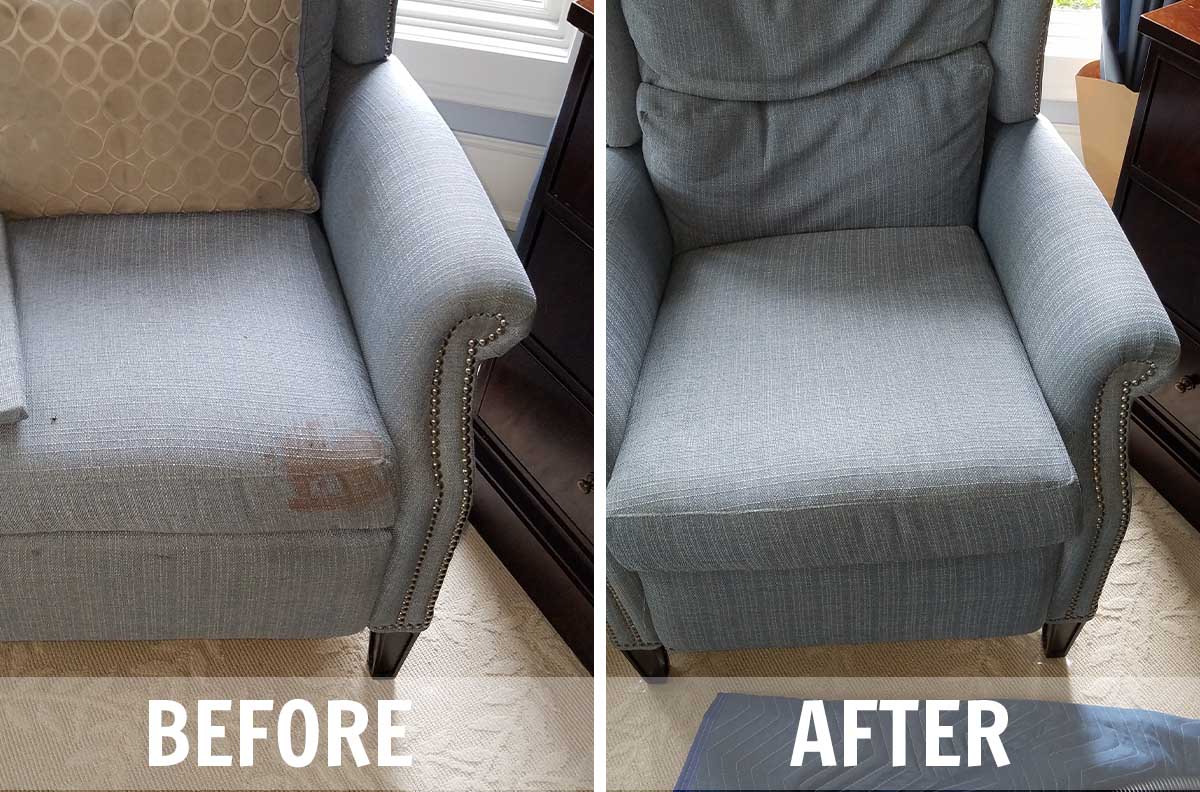
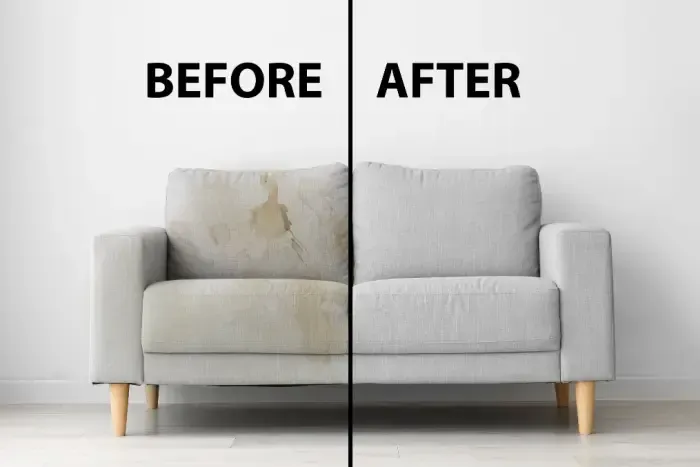
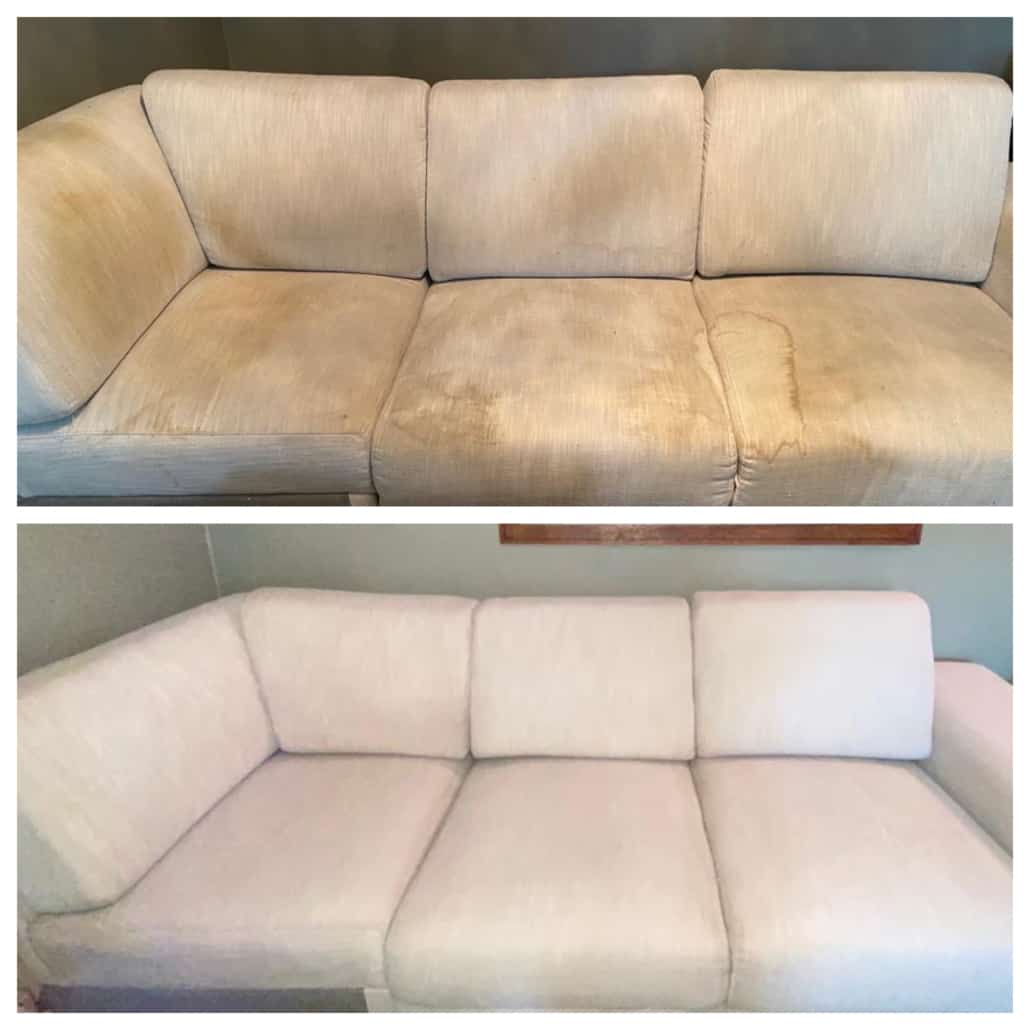

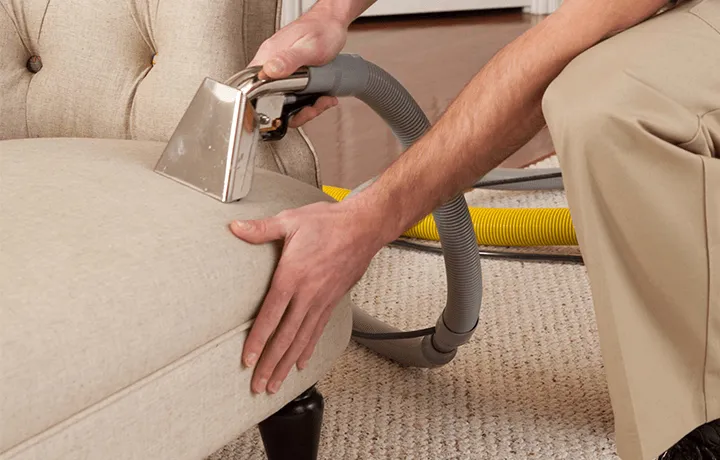
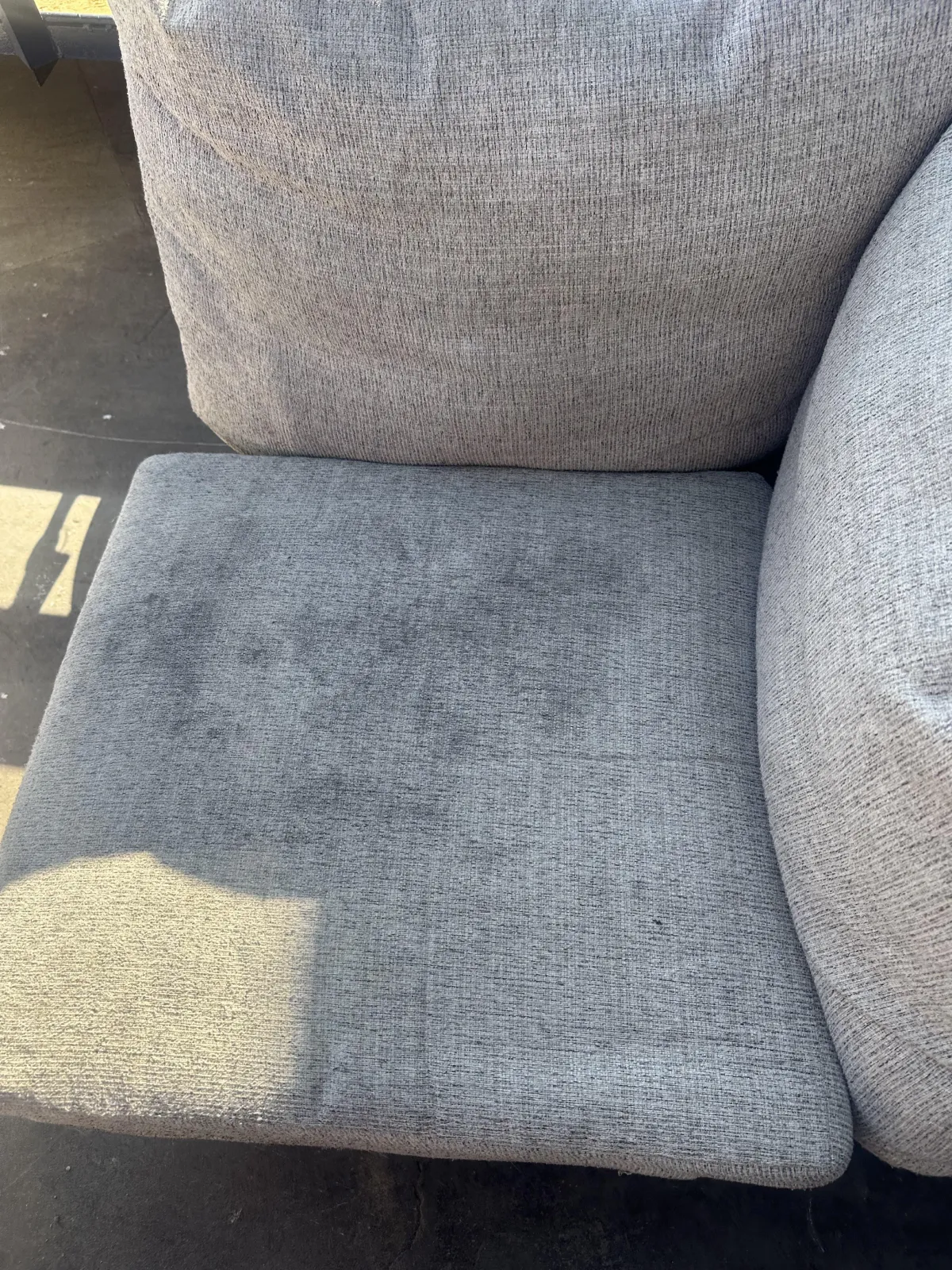

Expert Upholstery Specialists
Our technicians are trained to handle premium fabrics — velvet, linen, suede, microfiber, and more — with precision and care.

Premium Fabric-Safe Cleaning
We use advanced, gentle methods designed specifically for upholstery, restoring softness, color, and freshness without damaging delicate materials.

A More Beautiful Home
Enjoy a refreshed, elegant living space with furniture that looks brighter, feels softer, and smells clean.
About Us
Premium Upholstery Care for Homes That Value Quality
Your furniture deserves thoughtful, gentle, expert care. At Dustrixi, we specialize in restoring the beauty, softness, and freshness of premium fabrics. Whether it’s velvet, linen, suede, microfiber, or a modern fabric blend — our techniques are designed to clean deeply while protecting the material.
We bring professionalism, precision, and a luxury-grade experience to every home we serve. Your upholstery will look refreshed, feel softer, and elevate the entire atmosphere of your living space.

Our Services
Premium Upholstery Cleaning Services
We provide high-end, fabric-safe upholstery cleaning designed to refresh your furniture, restore softness, and elevate the beauty of your home.
• Deep Upholstery Cleaning
Gentle, effective cleaning designed specifically for velvet, linen, suede, microfiber, and other luxury fabrics.
• Trained Upholstery Specialists
Our Dustrixi technicians are experts in premium fabric care, using safe techniques that protect the integrity of your furniture.
• Exceptional Client Experience
We provide a white-glove service — clean, respectful, detail-oriented, and focused on delivering outstanding, visible results.
Testimonial
Hear What Our Clients Say
Our clients love how fresh, soft, and beautiful their upholstery feels after a Dustrixi premium cleaning. Their homes look brighter, their furniture feels renewed, and they appreciate the care we bring into every visit.

They removed a stain I thought was permanent. The whole couch feels fresher and smells amazing. Truly a premium service

James Smith
Renter, Chandler
Incredible quality. They cleaned our linen sectional better than anyone else. The results were beyond what I expected.

Rachel Lee
Restaurant Manager
My sofa looks brand new. The velvet feels soft again, and the color is so much richer. Dustrixi handled everything with such care

Michael Chen
Homeowner, Chandler
Frequently Asked Questions
Q: How often should I have my upholstery professionally cleaned?
A: Most homes benefit from a professional upholstery cleaning every 6–12 months, depending on usage, fabric type, pets, and daily traffic. Luxury fabrics like velvet and linen sometimes require more frequent maintenance.
Q: Are your cleaning products safe for delicate fabrics?
A: Yes. We use premium, fabric-safe solutions designed for high-end upholstery. Our methods are gentle on delicate materials like suede, velvet, linen, microfiber, and premium blends.
Q: How long does it take for my upholstery to dry?
A: Most upholstery dries within 2–6 hours, depending on fabric thickness, ventilation, and room temperature. We use low-moisture methods to speed up the process.
Q: How should I prepare before my upholstery cleaning appointment?
A: Please remove small items from the furniture and clear the surrounding area. We can assist with moving lightweight pieces if needed. No other prep is required — we handle the rest with care.

Guide To Couch Cleaning
Couch Cleaning: A Complete Guide to Keeping Your Sofa Clean, Fresh, and Long-Lasting
Your couch is one of the most heavily used pieces of furniture in your home. It’s where families relax, pets sleep, guests sit, and everyday life happens. Over time, dirt, oils, allergens, and stains build up deep within the fabric — even when a couch looks clean on the surface.
This guide explains how couch cleaning works, why regular cleaning matters, the different cleaning methods used for sofas, common mistakes homeowners make, and when professional couch cleaning is the safest option. Whether you’re dealing with stains, odors, or routine maintenance, understanding proper couch care helps extend the life of your furniture.
Why Couch Cleaning Is Often Overlooked
Many homeowners clean floors regularly but forget that couches trap just as much — if not more — debris.
What Builds Up Inside a Couch
Body oils and sweat
Dust and fine particles
Pet hair and dander
Food crumbs and spills
Bacteria and allergens
Outdoor debris tracked in on clothing
Because couches absorb contaminants deep into the fibers and cushions, surface vacuuming alone is not enough to keep them truly clean.
How Dirty Couches Affect Your Home
A dirty couch isn’t just a cosmetic issue.
Common Problems Caused by Dirty Upholstery
Lingering odors
Fabric discoloration
Allergy flare-ups
Faster fabric wear and breakdown
Stains that become permanent over time
Routine couch cleaning protects both the appearance and structural integrity of your furniture.
Different Types of Couch Fabrics and Cleaning Needs
Couch cleaning methods depend heavily on fabric type. Using the wrong technique can lead to shrinkage, fading, or damage.
Common Couch Upholstery Materials
Polyester and blended fabrics
Microfiber
Cotton
Linen
Wool
Velvet
Leather and faux leather
Each fabric reacts differently to moisture, agitation, and cleaning solutions. Professional couch cleaning begins with fabric identification to determine the safest approach.
Common Couch Stains and How They Form
Couches are exposed to a wide range of stain sources.
Typical Couch Stains
Food and beverage spills
Coffee and soda
Body oils and sweat
Pet accidents
Makeup and lotions
Ink and dye transfer
Many stains start small but spread quickly through cushions and padding, making early and proper treatment essential.
DIY Couch Cleaning: What Works and What Doesn’t
Light maintenance can be done at home, but many DIY methods cause more harm than good.
Safe At-Home Maintenance Tips
Vacuum regularly using upholstery attachments
Blot spills immediately (never scrub)
Test any cleaner in an inconspicuous area
Follow manufacturer cleaning codes (W, S, WS, X)
Common DIY Mistakes
Over-wetting cushions
Using household cleaners not designed for upholstery
Scrubbing stains aggressively
Applying heat to unknown stains
Leaving soap residue behind
Improper DIY couch cleaning often leads to water rings, stiff fabric, or stains reappearing due to residue.
Why Couch Stains and Odors Keep Coming Back
If a couch looks clean at first but stains or odors return, it’s usually due to wicking.
What Is Wicking?
Wicking occurs when moisture pulls deep-set dirt and stains back to the surface as the couch dries. This is common with:
Pet urine
Beverage spills
Heavy soil buildup
Professional couch cleaning treats both surface fibers and underlying cushion material to prevent recurring issues.
Professional Couch Cleaning: How It Works
Professional couch cleaning goes far beyond vacuuming or spot cleaning.
Typical Professional Process
Fabric inspection and testing
Soil and stain identification
Pre-treatment with targeted solutions
Controlled agitation
Deep extraction
Neutralization and grooming
This process removes embedded contaminants while protecting fabric integrity.
Couch Cleaning for Pet Owners
Homes with pets benefit greatly from routine couch cleaning.
Common Pet-Related Couch Issues
Urine odors trapped in cushions
Pet hair embedded in fabric
Dander buildup
Re-marking caused by lingering scent
Proper couch cleaning eliminates odor sources rather than masking them.
Leather Couch Cleaning and Care
Leather couches require specialized care to avoid cracking or discoloration.
Leather Cleaning Considerations
Body oil buildup
Dye transfer from clothing
Food and drink spills
Loss of protective finish
Professional leather couch cleaning restores appearance while maintaining softness and durability.
How Often Should You Clean Your Couch?
Recommended cleaning frequency depends on usage.
General Guidelines
Every 12–18 months for low-traffic households
Every 6–12 months for homes with pets or children
Immediately after major spills or pet accidents
Routine couch cleaning prevents premature wear and keeps fabrics looking newer longer.
Couch Cleaning and Indoor Air Quality
Couches act like air filters, trapping dust and allergens.
Regular professional couch cleaning can:
Reduce allergens
Improve indoor air quality
Create a healthier living environment
This is especially important in homes where windows remain closed for long periods.
Choosing a Professional Couch Cleaning Company
When selecting a couch cleaning provider, look for:
Upholstery-specific experience
Fabric identification expertise
Safe, residue-free cleaning methods
Transparent expectations
Avoid companies that promise guaranteed stain removal — quality couch cleaning prioritizes fabric safety.
Final Thoughts: Couch Cleaning Is Preventative Care
Couch cleaning isn’t just about removing visible dirt. It’s about preserving comfort, protecting fabric fibers, and maintaining a healthier home. With regular care and professional cleaning when needed, your couch can remain clean, fresh, and comfortable for years.

Shop: Serving Phoenix, Chandler, Gilbert & Mesa
Orlando - Miami - Jacksonville
Call: +1 602-644-9983
Email: [email protected]
Dustrixi • Luxury Cleaning — Phoenix • Chandler • Gilbert • Mesa
Orlando - Miami - Jacksonville